 Reviews


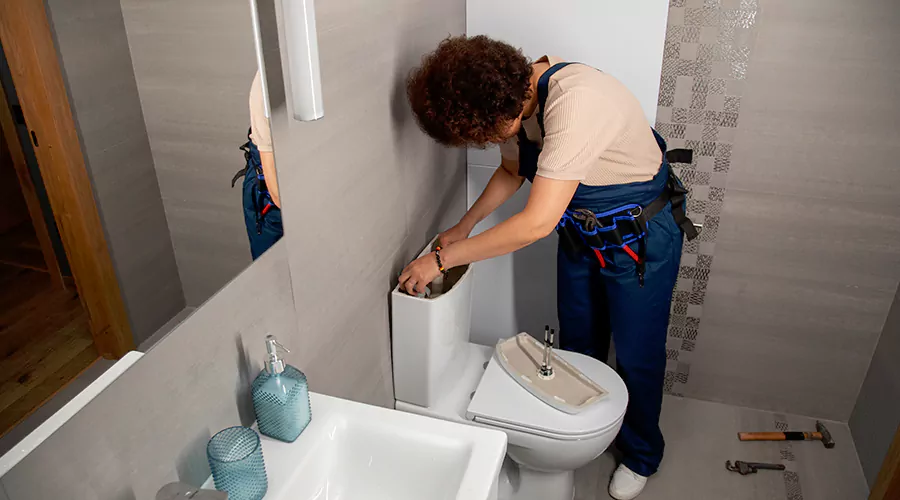
Common toilet problems usually come from clogs, worn tank parts or failed seals, and a typical toilet repair averages about $271 in 2026. The normal repair range is about $150 to $391. Identifying the symptom first helps you check the correct part instead of replacing unrelated components. Bathroom plumbing services can also address related fixture, supply-line, drainage, and toilet issues throughout the bathroom.
Most toilet problems fall into a small number of patterns.
The toilet may fail to move waste.
It may fail to control water.
Another group involves leaks or movement at the fixture itself.
What Are the Most Common Toilet Problems?
The most common problems include clogging and constant running. Slow filling is another common complaint. Leaks can occur at several seals. A toilet can also become loose or fail to flush when the tank mechanism no longer operates correctly.
- The symptom usually points toward a system.
- A clog points toward the waste path.
- Running points toward tank seals.
- Slow filling points toward water supply parts.
- A floor leak points toward a connection or drain seal.
- A dead flush handle points toward the internal mechanism.
The first diagnostic step is therefore observation rather than disassembly.
What Does Each Toilet Problem Usually Cost?
Repair cost depends on the failed part rather than the age of the toilet alone. Minor tank parts are relatively inexpensive. Drain or flange work costs more because access takes longer. Current 2026 national data places general toilet repair around $271.
| Toilet Problem | Common Cause | 2026 Repair Range |
|---|---|---|
| Running toilet | Flapper or valve | $100 to $400 |
| Leaky toilet | Seal or connection | $100 to $600 |
| Clogged toilet | Waste obstruction | $85 to $600 |
| Loose toilet | Wax ring or mounting issue | $50 to $200 |
| Slow filling | Fill valve or supply | $60 to $200 |
Replacement-part pricing also varies. A valve repair runs about $50 to $150. A wax ring costs about $50 to $200 to replace. Pipe repairs can reach $700 depending on the condition.
This range shows why diagnosis matters before buying parts.
Why Does a Toilet Keep Running?
A running toilet usually loses tank water through the flush seal or receives too much water from the fill system. The fill valve then keeps replacing the lost volume. A flapper that does not close correctly is one of the first components to inspect.
- Remove the tank lid.
- Watch the water level.
- Check whether water enters the overflow tube.
- Press the flapper gently.
- If the sound stops when the flapper is pressed, the seal deserves closer inspection.
Running toilet repairs cost about $100 to $400 in 2026.
A toilet mechanism problem can also involve chain adjustment or handle movement.
Why Won't the Toilet Flush?
A toilet that will not flush can have a disconnected lift chain or low tank water. A faulty handle can also prevent the flapper from opening. Check the tank before treating the problem as a clogged drain because the bowl cannot flush normally without a working release mechanism.
- Remove the tank lid.
- Press the handle.
- Watch the lift arm.
- The chain should pull the flapper upward.
- If the handle moves without lifting anything, the connection has failed.
A basic DIY repair for a toilet that will not flush can cost about $0 to $20 in parts. Professional repair often costs about $150 to $350 depending on the actual failure.
Why Does a Toilet Keep Clogging?
Recurring clogs usually mean waste is not passing through the trap cleanly or a partial obstruction remains. Excess paper can cause a one-time blockage. Repeated clogs deserve more attention because the restriction may sit deeper in the drain.
- Use a flange plunger for a routine soft clog.
- Do not flush repeatedly when the bowl is rising.
- A toilet auger can reach deeper fixture-level blockages.
Current 2026 clogged toilet repair costs range from about $85 to $600.
A deeper drain problem becomes more likely when other fixtures react at the same time.
Why Does a Toilet Fill Slowly?
A slow-filling toilet usually has restricted water entering through the supply side. A partly closed shutoff valve can limit flow. A fill valve can also become restricted or fail to open fully. The float setting can create a similar problem.
- Time the refill after one normal flush.
- Compare it with the toilet's previous behavior.
- Inspect the shutoff valve.
- Check the flexible supply line.
- Watch the fill valve.
Slow-filling toilet repair costs about $60 to $200 in 2026.
A sudden refill change deserves inspection before the tank stops filling completely.
Why Is a Toilet Leaking?
A toilet can leak from the water supply or tank connections. Another common location is the seal at the floor. The timing helps identify the source. Water after flushing suggests a different failure from a drip that forms continuously.
- Dry the entire fixture.
- Check the highest wet point.
- Inspect the tank connections.
- Feel the supply hose.
- Then check the base after one flush.
Leaky toilet repair costs about $100 to $600 in 2026.
Do not assume every floor puddle comes from the wax ring because water can travel down from the tank.
Why Does the Toilet Rock or Move?
A toilet should remain stable against the floor. Rocking can come from loose mounting hardware or an uneven floor. Movement can also damage the wax seal beneath the fixture and create a leak over time.
- Do not solve major movement by overtightening porcelain hardware.
- Check whether the floor is level.
- Inspect the mounting bolts.
- Look for signs of water at the base.
Flange repair or replacement costs about $145 to $350 in 2026.
A moving toilet should be corrected before the drain seal begins leaking.
What Signs Mean the Problem Needs More Attention?
Certain symptoms suggest more than a simple tank adjustment. Water outside the fixture or sewage appearing in another drain deserves faster action. Structural movement also matters because it can damage the drain seal beneath the toilet.
- Water reaches the floor after every flush.
- The toilet rocks noticeably.
- Several fixtures back up together.
- The tank has a visible crack.
- The shutoff valve leaks.
- The toilet refills repeatedly while unused.
- The bowl rises close to overflowing.
- A repair fails again within days.
- Sewage appears in a shower.
- The ceiling below becomes damp.
These signs narrow the line between a basic adjustment and a deeper plumbing problem.
What DIY Diagnostic Check Can You Do?
The most useful general diagnostic is a complete flush observation. Remove the tank lid and watch every stage from handle movement through refill. Then inspect the floor and exterior immediately afterward. One normal flush can reveal several failures without removing any parts.
- Watch the handle move.
- Observe the chain.
- Check flapper movement.
- Notice the tank refill.
- Listen for the fill valve stopping.
- Inspect beneath the tank.
- Look around the base.
The inside of toilet tank shows most flush-control problems directly.
Do not repeat the test when the bowl is already rising from a clog.
When Should You Call a Professional?
Professional diagnosis makes sense when the toilet leaks into flooring or several drains back up together. A cracked fixture also deserves professional attention. Repeated failed repairs suggest that the visible symptom may not be the full problem.
General toilet repair averages about $271 in 2026. The typical national range is around $150 to $391.
Professional help is reasonable when:
- Drain backups involve more than one fixture.
- Water damage is spreading.
- The toilet must be removed.
- Porcelain has cracked.
- The shutoff valve cannot stop water.
- The same problem keeps returning.
A toilet repair should solve the cause rather than simply hide the symptom.
How Can You Prevent Common Toilet Problems?
Basic observation prevents many small failures from growing. Watch for changes in flush strength and refill time. Check visible connections during routine cleaning. Keeping inappropriate items out of the toilet also reduces avoidable drain blockages.
- Flush only toilet paper and waste.
- Check for movement at the base.
- Inspect the supply hose.
- Watch for tank corrosion.
- Respond to slow drainage early.
- Listen for unexpected refill sounds.
Small changes often appear before the toilet stops working completely.
Conclusion
Most toilet problems can be narrowed down by watching what the fixture does during one complete flush. Clogs affect the waste path. Running toilets usually involve tank components. Slow filling points toward water supply parts. Leaks require location testing before repair. If the fixture is cracked or wastewater affects other drains, professional diagnosis is reasonable. This week, observe one full flush and note anything that has changed.
Frequently Asked Questions
How long should a toilet take to refill?
The exact time depends on the model and supply pressure. A refill that suddenly takes much longer than normal deserves inspection.
Is a running toilet an emergency?
It is usually not an immediate property emergency. It can waste significant water if left unrepaired.
Why does my toilet make noise after flushing?
Normal refill noise should stop when the tank fills. Continued sound can indicate water movement through the fill or flush system.
Can an old toilet have several problems at once?
Yes. Rubber seals and tank components can wear at similar ages.
When does toilet replacement make more sense?
Replacement may make sense when porcelain is cracked or repair costs approach the price of a suitable new fixture.